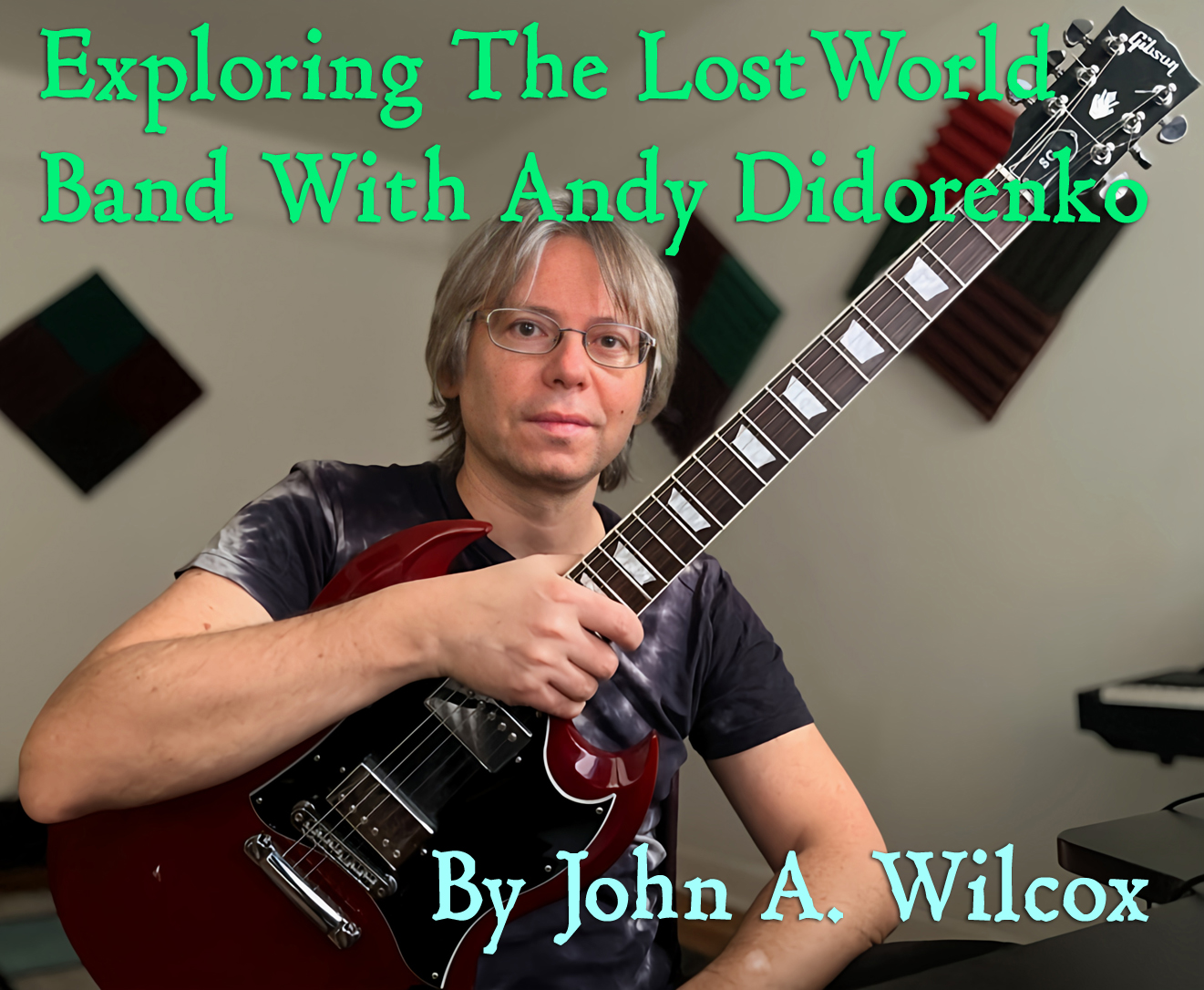
Exploring The Lost World Band With Andy Didorenko

By John A. Wilcox

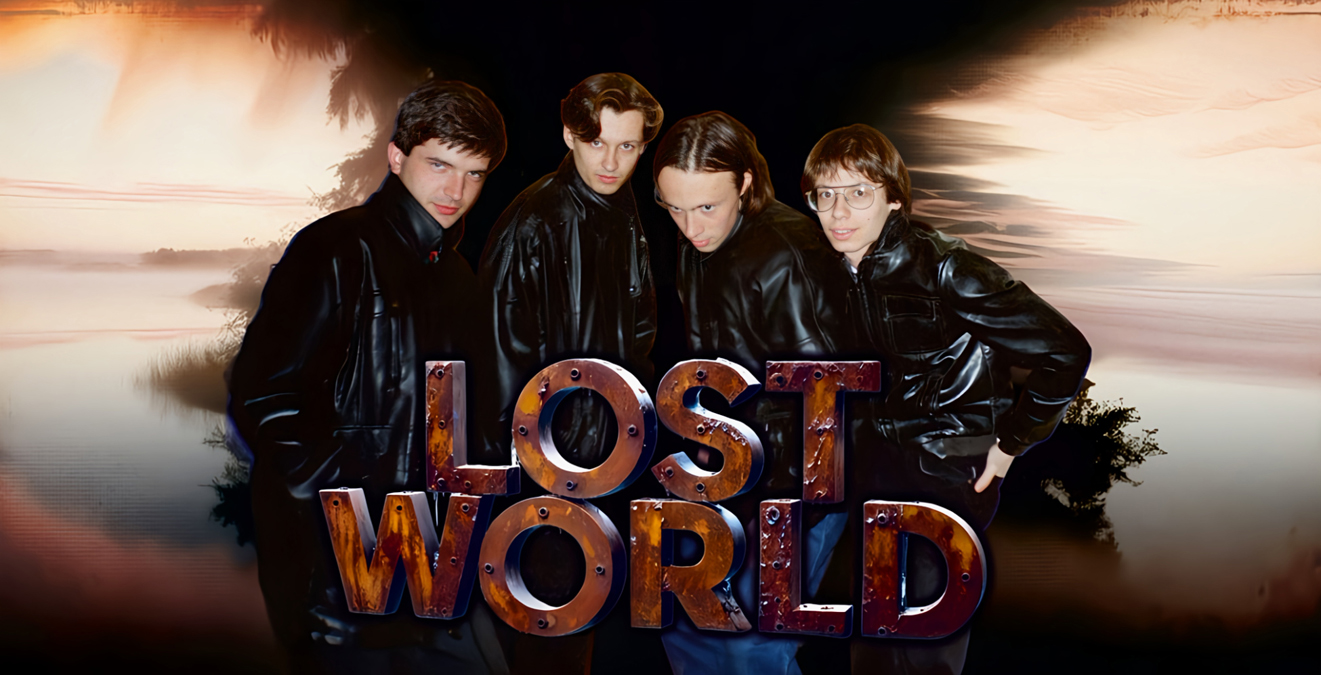
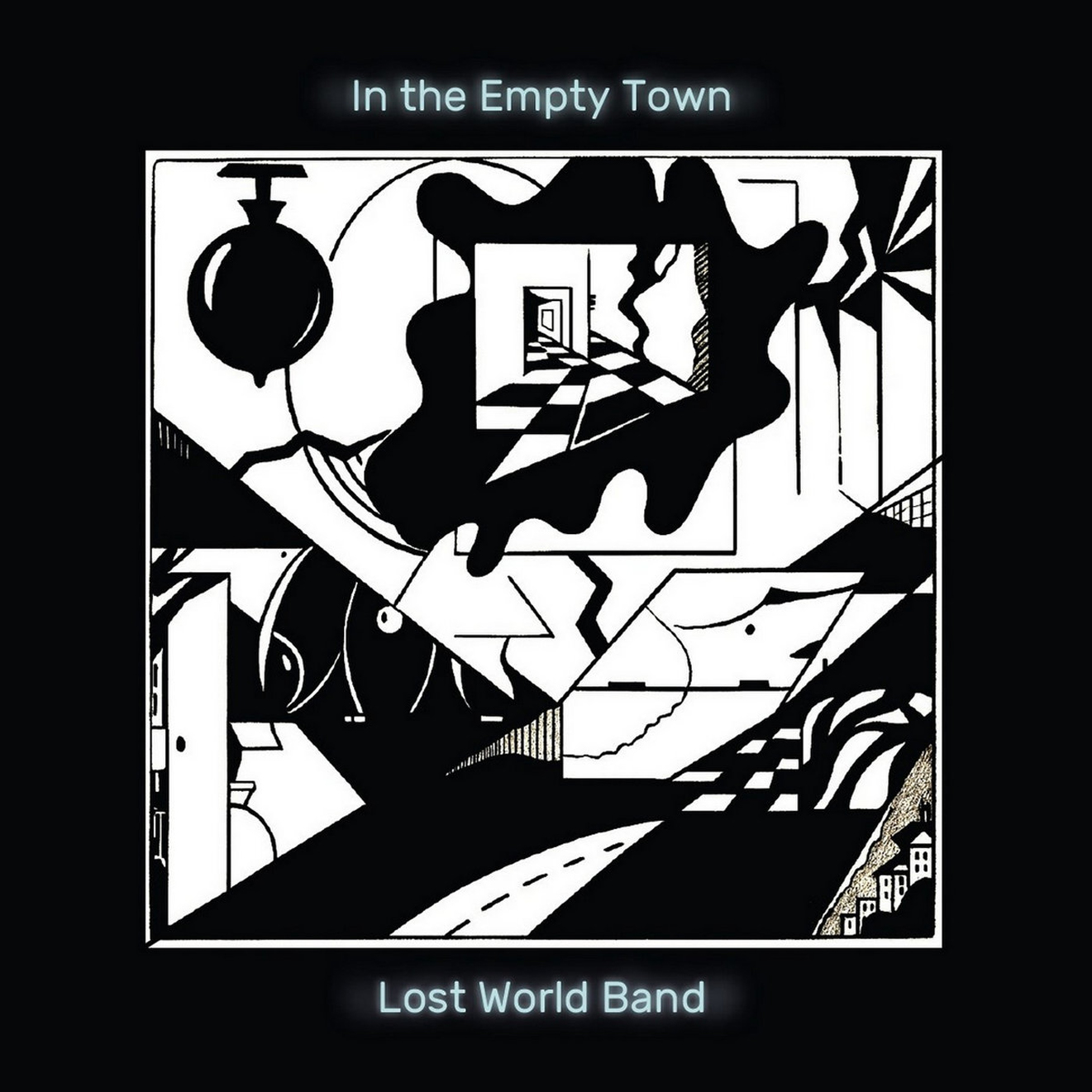
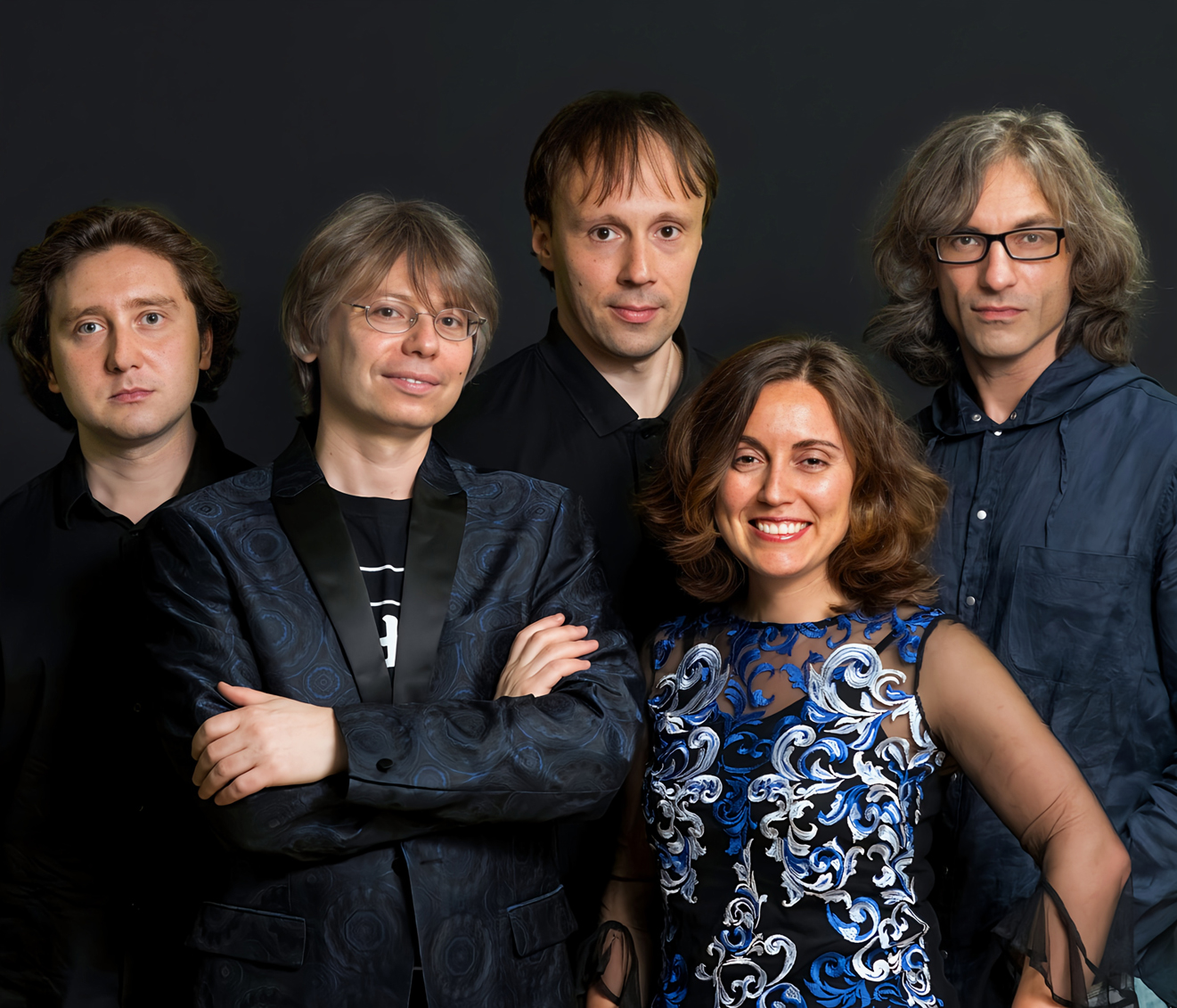
Since the 1990s, the Lost World Band has been bringing the world compelling prog jazz rock. The music is incredibly satisfying and bursting with ideas. I asked frontman Andy Didorenko to enlighten us about the band's latest release: In The Empty Town and to fill us all in on the band itself. Didorenko delighted Progsheet with a fascinating interview...
PS: Where were you born?

AD: I was born in Ukraine, in the city of Dnipropetrovsk, now called Dnipro. Both my parents were violinists; they met at the conservatory in Kharkiv and came to live and work in Dnipro: my father in the symphony orchestra, my mother in a music school.

PS: How did your location affect your exposure to music?

AD: Dnipro was a beautiful city then, situated along a very wide river. There were at least 15 music schools, a music college, an opera house, and a symphony orchestra. There were summer concerts in the parks. The first Beatles festival in the USSR was held there! In short, it was a very musical city. My parents were always at work, and as a kid, I spent a lot of time with records, turntables, and reel-to-reel tape recorders.

PS: What was the first instrument you learned how to play and why did you choose it?

AD: I didn't choose it – the instruments chose me! There were many violins and a piano in the house. I started playing the violin when I was seven. Later, a very basic acoustic guitar appeared. And then, in a toy store, I came across a Formanta guitar – a version of a Fender Jazzmaster – naturally, I had to get my hands on something like that! All my music from the 90s was composed on that very guitar. I remember buying a USSR-made guitar effects pedal, and the smoke coming out of it after I plugged it in (Lost World Band often struggled with musical equipment, and mostly, lost)... When I was 15, my school friend somehow got hold of an electric guitar, a drum, and a few cymbals. Together with another childhood friend, the three of us immediately decided to record an album - that's how it all started. We made a terrible racket, to the dismay of our neighbors, and created some fusion of Russian rock, songs in English, and instrumental compositions in psychedelic and improvisational styles. From the very beginning, I was interested in an album as an art form.

PS: What inspired you to want to play music on a professional level?

AD: Everyone in my family took turns to teach me violin: my mother, my father, and my older brother. My childhood dream was to go to Moscow to study music, and in the fall of 1989, I did.

PS: How did the earliest incarnation of Lost World Band first come together?

AD: Forming a band at a music college is generally not difficult – everyone around you is a musician. I had already composed songs on my own, but one day, Vassili and I locked ourselves in a college classroom and tried composing together. We were both thrilled with the process. Gradually, Alexander established himself as our keyboardist and producer, though back then, nobody knew what a producer was; he was simply a friend with good ideas.

PS: Which prog bands caught your interest as you grew as a musician & writer?

AD: We listened to everything indiscriminately. In the course of our studies, we were required to listen to a lot of classical music which, by the way, can be quite long and boring (Wagner's operas terrified me then, and they still do now). My strongest non-classical impressions of that period were The Beatles' Abbey Road, King Crimson's In the Court of the Crimson King, and Yes' Drama. I remember the first time I listened to Gentle Giant's Acquiring the Taste, and I didn't understand anything - only later did I “acquire a taste” for it. All over Moscow, there were little kiosks where you could buy classic rock cassette tapes or get them to record an album on your blank cassette. That's basically where all my pocket money went.


PS: In The Empty Town had a gestation period that spanned several decades. Why?

AD: In the Empty Town, along with Remission and The Dawn, is a collection of our early compositions released on CD-R cassettes in 1996. As I mentioned, early Lost World Band suffered from lack of music equipment, and we tried our best to create complex arrangements while never having more than four tracks. Now, we had the opportunity to properly re-record all the instruments (except the flute) and release these works in English, the way we wanted it to sound back then. This is our current vision of the 1990s art rock.

PS: What were the most difficult aspects of the album to come together?

AD: It was restoring Vassili's compositions without having a written score; The Waltz from Remission was particularly challenging – I had to lift it by ear from an old tape. Revising and polishing old lyrics was another tricky aspect. Other than that, composing always came easily, and I really enjoyed playing the guitar, violin, bass, and harmonica.

PS: Did I read correctly that you used some musicians from Fiverr on the album? What was the spark for that?

AD: Fiverr is a fantastic resource for freelancing musicians. Initially, I was looking for a sound engineer to work on the reissue of the Trajectories in 2020. That's when I also found a vocalist to sing in English (Brian Paley). Gradually, a circle of musicians I could turn to was formed. For the album A Moment of Peace, I found Jordan McQueen (drums) and Phoebe Carter (vocals). Fiverr works great for studio recording, but if you want a live band, that's a completely different matter.

PS: What was the very first song that was written for In The Empty Town, and which was the last?

AD: Escape and Run is the earliest track, done by me and Vassili together in his tiny kitchen, with tea and two guitars. The last two are As Darkness Falls and Galloping Past; I recomposed them, based on the original ideas, in the summer of 2025.

PS: Does the album have a specific narrative/story to it?

AD: I think the story is simple and relatable: loneliness of a person among a crowd in a big city; longing and hope of finding a kindred spirit. It is very personal, full of lyricism and romance. I think there's a good balance between songs and instrumental pieces in the album, and I hope our listeners enjoy it.


PS: Any plans to perform the album live?

AD: We do have plans to put together a full live band and create a show, but it's not yet clear how to realize them. Too much time has been spent behind the computer, restoring old albums. I really do want to play live, I think that's the next step.

PS: Let's jump back for a moment and talk about Solar Power. What was going on within the band at the time, and what drove that particular album?

AD: I've been listening to Solar Power a lot lately, preparing it for re-release. This album is probably the first one for which I stopped relying on Vassili's co-authorship - at that time, he was immersed in family, work, and everyday life – but he was very impressed with tracks that were arrangements of my original classical compositions for solo violin or violin and piano duo, for example, Tongues Of Flame. This was also the first time I dared to sing in English, as well as the first time Konstantin joined on drums. The album took two years to complete, and I am proud of the result. Some of the unfinished music ideas, along with a few live recordings from that period, will be included on the disc as bonus tracks.

PS: How much of the studio band & live band of that time still currently perform / record in the Lost World Band?

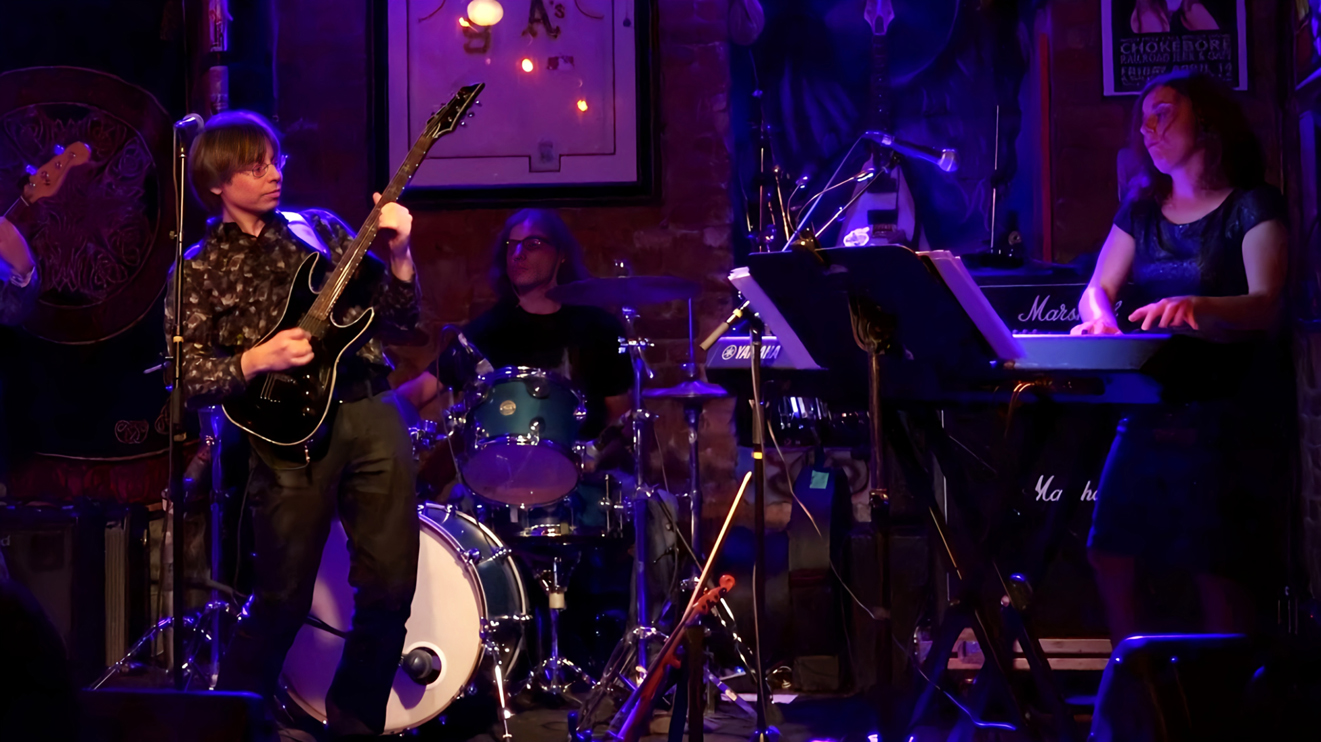
AD: Yuliya on keyboards, me on violin and guitar, Konstantin on drums are currently in New York. Unfortunately, all communication with Alexander who is in Moscow, is possible only remotely.

PS: Any future plans you'd care to share?

AD: When a new album is released, it will definitely not be like the previous ones. The world is changing, and Lost World Band is changing with it.

PS: Please tell me 6 albums you never tire of listening to.

AD:
1. Robert Fripp And The League Of Gentlemen. It is so witty, and it has the wonderfully absurd blend of punk and clever guitar riffs that is very appealing to me.
2. Adrian Belew's Flux I and II. I love the limitless imagination in bite-size form. I met Adrian in New York when his Power Trio played at the Iridium Club – a spectacular show which I went to see every night. I was the first guy he signed the Flux III CD for.
3.The Nice's Anthology. I'm a huge Keith Emerson fan, I think he was an absolute genius. Taking piano lessons from old ladies in a village and going on to write Karn Evil 9 is unbelievable! I'm surprised that, unique as he was in his own field, he was seeking approval from classical musicians. His piano concerto is brilliant, but I prefer his Honky album, when he is relaxed and having fun.
4. Paul McCartney's Ram. Back in 1990 in USSR, you couldn't get any rock albums in the shop - you had to go to the black market, which was of course illegal; if the police were to show up, the sellers would pack the albums in an instant and disappear. I kept going there for a year in search of Ram, and I eventually got it. I love the creativity and uncertainty of direction there. Melodically, it is McCartney at his best. I was lucky to meet Sir Paul in New York in 2023 by chance. We chatted about the war in Ukraine and his concert in the Red Square; he is a charming guy, surprisingly down to earth.
5. Gentle Giant's Octopus. As with any Gentle Giant album, I could listen to it forever and discover some new sound or an instrument or a counterpoint I haven't noticed before.
6. Yes' 90125. This is the strange case of prog aesthetics somehow transformed into 1980s stylistics. Weird yet fabulous combination, 90125 still maintains inventiveness and edge of prog in condensed format.


###


Table Of Contents

Contact